
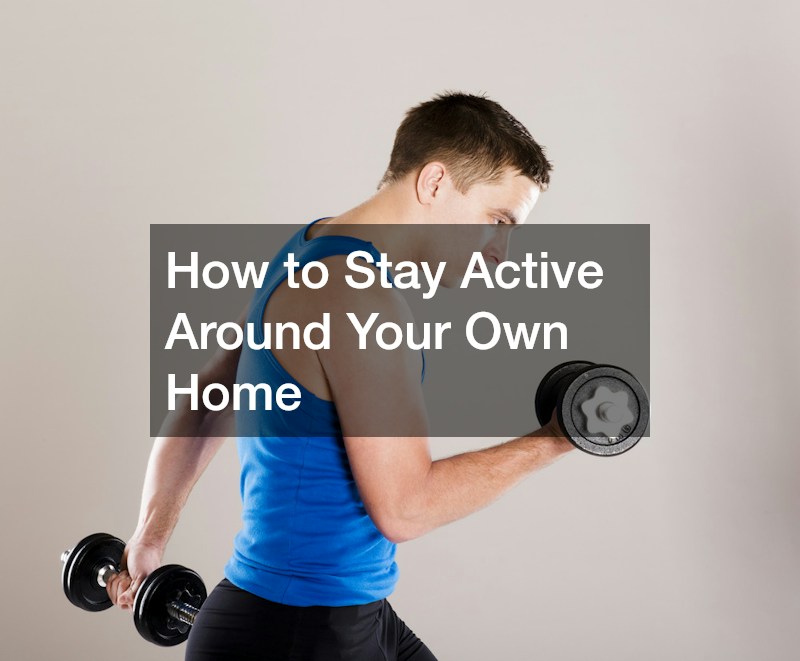
In our fast-paced modern world, many people believe that maintaining personal fitness requires an expensive gym membership, a personal trainer, or a dedicated two-hour commute to a fitness facility every day. However, fitness is not limited to commercial gyms, barbell racks, or high-tech cardio machines. The human body is designed for continuous, varied physical movement throughout the day. By shifting your perspective and viewing your living environment through a functional movement lens, you can transform your house, yard, and daily household routines into a powerful system for staying fit, burning calories, and maintaining joint mobility.
Staying active at home relies heavily on Non-Exercise Activity Thermogenesis, or NEAT. NEAT encompasses all the physical energy expended through daily activities that are not formal workouts—such as walking up a flight of stairs, carrying groceries, sweeping the patio, or painting a hallway. When accumulated consistently throughout the week, these functional movements build cardiovascular endurance, preserve lean muscle mass, improve balance, and protect joint health. By making intentional adjustments to how you navigate your home, tackle improvement projects, and manage outdoor chores, you can build a resilient body right in your own living space.
Indoor Micro-Workouts & Mindful Movement

Turn Household Furniture and Hallways into Active Stations
You do not need specialized exercise equipment to get a high-quality strength workout inside your home. Everyday furniture pieces like sturdy kitchen chairs, stable countertops, and staircase steps can serve as effective training equipment. Micro-workouts—short bursts of exercise lasting anywhere from sixty seconds to five minutes—can easily be integrated into your normal daily routine without disrupting your busy schedule.
Consider incorporating these simple movement stations into your daily indoor routine:
- Kitchen Counter Push-Ups: While waiting for your morning coffee to brew or water to boil, place your hands shoulder-width apart on the edge of a sturdy kitchen counter, step back into a plank position, and complete fifteen controlled push-ups.
- Chair Squats: Before sitting down at your desk or dining table, perform ten to fifteen controlled bodyweight squats, hovering your hips just above the seat cushion before pressing through your heels to stand.
- Staircase Step-Intervals: Use your home staircase for cardio conditioning by walking up and down the steps briskly for three minutes every time you take a work break.
- Doorframe Isometric Holds: Stand inside a doorway, press your hands firmly against both sides of the doorframe, and engage your core and upper back for ten-second static holds to build upper-body strength.
Setting a hourly movement timer on your phone or smartwatch ensures you interrupt long periods of sitting during remote work hours, keeping your metabolic rate elevated throughout the day.
Incorporate Mindful Mobility and Joint Care Routines
Physical health is not just about burning calories; it is equally about preserving joint range of motion and mitigating physical stiffness caused by prolonged sedentary behavior. Dedicating fifteen minutes each morning or evening to gentle mobility work keeps tendons pliable and reduces back strain. You do not need to attend an in-person studio when you can easily follow along with a guided yoga class online or flow through your own sequence of spinal twists, child’s poses, and hip openers on a living room rug.
For individuals managing chronic joint stiffness, targeted movement serves as natural medicine. Performing gentle straight-leg raises, seated hamstring stretches, and standing calf raises acts as an effective self-directed knee pain therapy routine, strengthening the quadriceps muscles surrounding the knee cap to absorb impact forces during daily walking and stair climbing.
Transforming Home Improvement into Functional Fitness
Maximize Caloric Burn Through Interior Upgrades
Home improvement projects are some of the most demanding physical activities you can undertake at home. Scraping walls, lifting drywall panels, and repositioning heavy furniture require significant core stabilization, grip strength, and upper-body stamina. Rather than viewing home maintenance as a tedious chore, approach it as an opportunity to build real-world, functional strength.
Taking on detailed DIY projects challenges your body through a wide variety of movement angles:
- Shoulder & Core Endurance: Overhead painting and drywall work require continuous muscular control, strengthening the deltoids, upper back, and abdominal wall.
- Targeted Muscle Activation: Taking on a multi-hour cabinet painting project requires prolonged squatting, kneeling, and controlled arm reaching as you sand, prime, and coat cabinet doors and face frames.
- Grip & Forearm Strength: Holding sanders, paint scrapers, and hand tools builds hand strength and forearm stability far better than static dumbbell exercises.
- Posterior Chain Engagement: Bending down to paint baseboards or install flooring engages your hamstrings, glutes, and lower back muscles when executed with proper hip-hinge mechanics.
To protect your back during long DIY sessions, always bend at your hips and knees rather than rounding your spine, and alternate hands frequently to distribute physical effort evenly across both sides of your body.
Heavy Lifting and Physical Cleanouts Around the Property
Clearing out accumulated clutter from basements, attics, and storage sheds provides a high-intensity full-body workout that rivals heavy strength training sessions. Carrying heavy storage totes up and down stairs, stacking wooden crates, and moving discarded building materials challenge your cardiovascular system while developing real-world lifting capability.
Managing heavy residential scrap metal and unwanted appliances requires proper lifting technique:
- Assess the Load: Test the weight of heavy metal debris, old hot water heaters, or iron pipe sections before lifting to ensure you can manage the load safely.
- Lift with the Legs: Stand close to the object with a wide base, drop your hips into a squat, grasp the object securely, and drive through your heels to lift using your leg power.
- Keep Heavy Objects Close: Hold heavy items close to your torso to reduce stress on your lumbar spine while carrying them across your yard or driveway.
- Recycle Metal Responsibly: Haul accumulated metal scrap, old appliances, and copper wiring to a local scrap yard, earning cash while completing a high-calorie workout.
Outdoor Yard Work & Landscaping as Endurance Training

Engage Functional Muscles Through Garden and Yard Maintenance
Lawn care and outdoor gardening are exceptional forms of natural endurance training. Operating manual yard tools requires continuous energy expenditure and engages major muscle groups throughout your entire body. Raking leaves, pushing a lawn mower, and shoveling mulch build functional aerobic fitness while strengthening your legs, core, and back.
Taking care of heavy tree maintenance around your yard provides an even greater physical challenge. Safely cutting down dead limbs, stacking heavy timber, and carrying out a complete tree removal project tests your cardiovascular limits and requires intense core stabilization as you lift and carry heavy wooden logs across uneven lawn terrain.
Heavy Material Handling and Rural Property Work
For homeowners with larger properties, gardens, or homesteads, daily outdoor chores provide continuous strength and conditioning opportunities. Loading and pushing a wheelbarrow loaded with wet soil or gravel engages your core, calves, and shoulder girdles while testing your balance over rough ground.
Rural property management involves high-demand physical tasks that build rugged physical endurance:
- Farmer’s Carries: Transporting heavy five-gallon water buckets, feed sacks, or toolboxes builds exceptional grip strength and core stability.
- Rotational Power: Turning compost piles or digging drainage trenches with a shovel builds rotational power through your core and obliques.
- Bulk Material Transport: Managing heavy feed bags, hay bales, and agricultural hauling tasks around a farm or large garden bed provides an unmatched full-body workout that keeps your heart rate elevated for hours.
Backyard Recreation & Active Outdoor Structures
Build Outdoor Living Spaces That Encourage Daily Movement
Your backyard should serve as an extension of your indoor living space, designed specifically to foster movement, outdoor play, and physical relaxation. Transforming a flat, underutilized lawn into a dynamic outdoor activity zone encourages every member of your household to spend more time moving outside in the fresh air.
Consider how outdoor architectural features can facilitate physical movement:
- Level Exercise Platforms: Constructing flat, smooth outdoor decks provides a clean space for morning mobility work, bodyweight workouts, and jump rope sessions.
- Custom Woodworking Projects: Partnering with professional deck builders allows you to design custom outdoor living features, such as integrated step-up platforms, pull-up bars, or open spaces tailored for outdoor fitness.
- Calisthenics Zones: Installing wall-mounted pull-up bars, dip bars, or gymnastics rings on structural posts creates an outdoor gym setup right in your yard.
- Lawn Game Areas: Setting aside a level turf section for bocce ball, cornhole, or spikeball creates low-impact movement opportunities during weekend gatherings.
Adapt High-Energy Sports for Backyard and Driveway Play
You do not need access to a full athletic complex to enjoy high-intensity racquet sports and agility drills. Flat driveways, paved patios, and smooth garage walls can easily be repurposed for energetic ball games that sharpen hand-eye coordination, reaction speed, and lateral footwork.
Setting up a portable net on a paved driveway allows you to play pickleball, badminton, or volley games with family members. If you want to practice solo, hitting a rubber ball against a smooth garage door or concrete wall allows you to replicate the fast-paced footwork, quick reaction times, and rotational cardiovascular conditioning typical of competitive tennis.
Environmental & Health Checks for Safe Home Activity

Design Custom Movement Spaces to Match Your Daily Needs
Creating dedicated spaces inside your home for exercise reduces friction and makes daily movement a seamless habit. Whether you convert a spare bedroom, an unfinished basement, or a corner of your garage into a movement zone, the layout should support your personal physical goals.
When building or remodeling a dedicated exercise space, custom design choices make a major difference:
- Impact-Absorbing Flooring: Install thick rubber stall mats or high-density foam tiles over concrete subfloors to protect your joints during jumping exercises.
- Custom Space Layouts: Hiring a contractor to build to suit a dedicated home gym room ensures proper structural reinforcement for heavy ceiling-mounted punch bags, power racks, and wall mirrors.
- Climate & Ventilation: Install high-flow ceiling fans, dedicated air conditioning lines, or dehumidifiers to maintain fresh air circulation during intense indoor workouts.
- Adequate Overhead Clearance: Ensure workout spaces have sufficient ceiling height for overhead press movements, jump rope practice, and pull-ups.
Maintain Vision and Spatial Awareness During Physical Work
Engaging in heavy DIY home improvements, yard work, and fast-paced driveway sports requires sharp depth perception, hand-eye coordination, and visual clarity. Working in dimly lit garages or attempting high-speed physical activities with uncorrected vision increases your risk of trips, falls, and misjudged movements.
Maintaining total physical safety around your property requires regular health check-ups:
- Annual Vision Assessments: Schedule a comprehensive eye exam every year to update optical prescriptions and verify spatial awareness, depth perception, and peripheral vision.
- Protective Eyewear Safety: Always wear impact-resistant ANSI-approved safety glasses during wood cutting, leaf blowing, tree trimming, or overhead painting to shield your eyes from flying debris and chemical splashes.
- Adequate Task Lighting: Install bright LED overhead lighting in garages, workshops, and basements to illuminate work zones and eliminate tripping hazards.
Knowing When to Seek Professional Assistance

While staying active through DIY home projects, heavy yard work, and home micro-workouts is immensely beneficial, knowing your physical and technical limits is essential for long-term health. Over-exerting yourself on complex structural repairs or ignoring severe joint pain can lead to chronic injuries that set your fitness goals back by months. Smart homeowners balance personal physical effort with professional expertise when tackling high-risk tasks.
Consult qualified specialists when facing the following high-complexity situations:
- Severe Joint Inflammation: If joint pain persists during daily movement, consult a physical therapist or orthopedic specialist rather than pushing through sharp discomfort.
- Dangerous Overhead Tree Work: Large, decaying tree limbs under mechanical tension should always be evaluated by certified arborists equipped with proper rigging gear.
- Heavy Structural Renovations: Major structural modifications, load-bearing wall removals, or foundation repairs require licensed contractors to prevent structural compromise.
- High-Voltage Electrical Projects: Electrical service panel upgrades and heavy wiring installs should always be managed by licensed electricians to prevent shock hazards and fire risks.
Transforming your home into an active living space is one of the most effective and sustainable ways to build lifelong physical health. By incorporating micro-workouts into your daily indoor routine, embracing the physical demands of home improvement projects, tackling outdoor lawn care, and setting up dedicated space for outdoor play, you can maintain robust physical fitness without ever stepping foot inside a commercial gym. Functional movement is all around you—every flight of stairs, garden bed, and DIY project offers an opportunity to strengthen your body, preserve joint mobility, and elevate your daily energy. Embrace the physical possibilities within your own living space today, take that first step toward active home living, and enjoy the lasting health benefits of a moving lifestyle!
